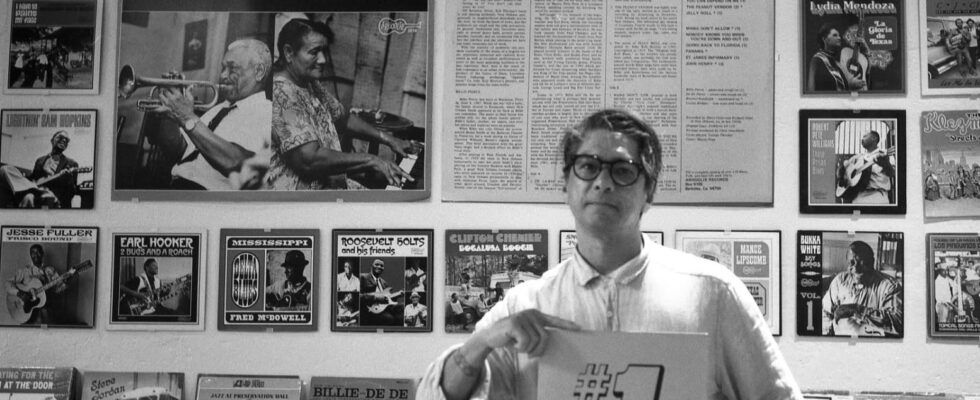
GRC Reflections with WPNX Station Manager Sean Linezo

Sean Linezo was couch surfing in Berkeley, California when he first met grassroots radio organizers. He told Local Pulse News it was in the year 2000 that media activists were petitioning the FCC for the right of NCE’s (Non-Commercial Educational non-profits) to apply for Low-Power FM radio stations. The movement inspired Sean to document the process with his mini video camera.

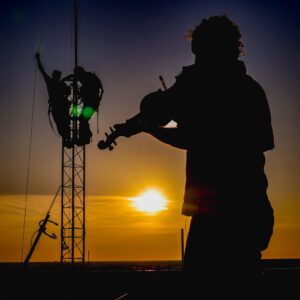
The scene would also introduce Sean to the work of the Prometheus Radio Project, an engineering team that advocates for and builds LPFM radio stations for a stronger democracy. Sean was invited to a Prometheus “barn raising” in Opelousas, Louisiana, where the engineers, volunteers, and supporters joined together to build the technical infrastructure for KOPZ radio in Opelousas, Louisiana.

The experience stayed with him. Sean wondered if a radio station were possible for his home of Pensacola, Florida.

Cut to 2026. In September, WPNX had its own barn raising, complete with the support of Prometheus Radio Project. It was a feature of this year’s Grassroots Radio Conference. WPNX hosted many stations from around the country, as they celebrated their own introduction to the airwaves. 

Many attendees remarked on the welcoming spirit of Sean’s team. It was a time for culture and fellowship, where at the same time, WPNX became Free Radio Pensacola.

Sean Linezo took some time to reflect on the event with Pacifica Network’s Stephanie Schubert.
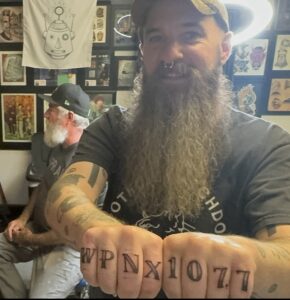
WPNX Co-founder Coy Glass.

Stephanie: WPNX hosted a lovely Grassroots Radio Conference in September. Tell us a little bit about your team at WPNX and how you came together to create GRC 2026.

Sean: To keep things streamlined we decided early on to keep our team small, four or five dedicated and enthusiastic folks… myself, Fred, Coy, Arielle and Charity… sometimes Madison and a few others, but because we had a clear vision and a small budget to afford all the equipment, my idea was to just do all the paperwork, invite the engineers, buy all the equipment, do the installation and then slowly promote the launch and conference at the same time… this was to introduce the idea to the community and also invite people with interest to the conference to learn what community radio is about, how it works and how they can participate.

Stephanie: Congratulations on getting on-air as part of the gathering! Tell us a bit about that process and how it felt to be LIVE for the first time.

Sean: Well… we finished the installation 3 days before the conference began… we began by broadcasting a particular loop of a song called The #1 Record. I created the loop by sampling the song from an obscure film titled, The Lost Record by Ian Svenonius and Alexandra Cabral. In the film the radio plays a single song on non-stop rotation… it is a metaphor for corporate control of our media, corporate control of our culture. The song is introduced by Henry Rollins as a DJ with an enthusiastic and confident radio voice in a seamless loop over and over… it has been running 24/7 since launch. You can hear it right now on WPNX.org.
As for going LIVE and being on the airwaves in real time… its still unbelievable and exciting every time we get to do it! We are taking our time to develop our regular scheduled programming and plan to do a proper launch in December. 
 
Until then, we will play the loop and each time we go live, we perform in relation to the loop of The #1 Record. We act as if we are hacking into the corporate jukebox. We introduce ourselves as “The Resistance”. We are the resistance to the algorithm… resistance to corporate jukebox radio, etc… we explain that we know people are out there, we know they have other music they want to hear, stories they want to share, voices of the community want to be heard, etc… we explain that we are fundraising to build the infrastructure for the community takeover of the airwaves from corporate control… we are fundraising for microphones, turntables, rent, etc… we ask for support… volunteer, donate, listen, share… support the resistance, support community radio, etc… Then we do our shows for one or two hours and then we act as if “we cant afford to sustain the signal”, we sign off and its back to Henry Rollins and The #1 Record.
 
This narrative will play out until December and give us time to program our calendar while building and educating our local team. As the time approaches we begin promoting a direct action (live event) on December 9th, where we invite the artist, Ian Svenonius, who wrote the songs and made the film, to perform and “LIBERATE THE AIRWAVES!”. We plan to live broadcast this performance and it will illustrate the peak moment of revolution when we overthrow the algorithm and corporate control and begin broadcasting as a free form community radio station! 
 
So thats a long answer to a simple question but it was fun and exciting and unbelievable to go live the first time and by keeping it playful with this performance art/creative fundraising narrative, i think we have sustained that excitement… we still feel childish and immature and playful and we are still learning… its great! Of course, radio is a powerful tool and comes with real responsibilities and we plan to evolve, but because we started as a small team and are able to keep it DIY and independent for now… it still seems really playful and fun when we go live.
 
 
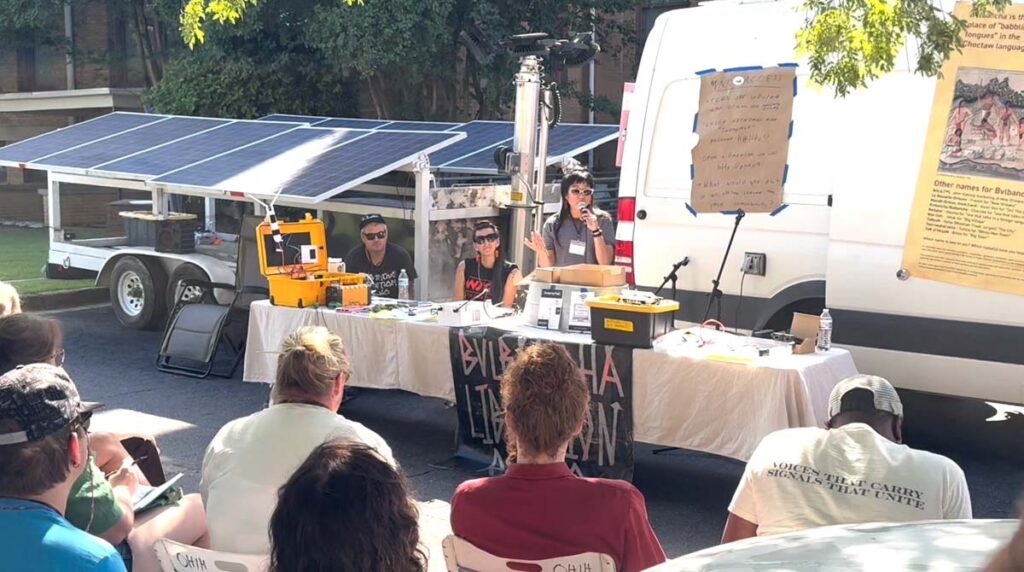
Bvlbancha Liberation Radio giving a workshop on remote broadcasting at the 2026 GRC

Stephanie: If you want to add anything about challenges you had/have with Hurricane Isasias you are welcome to do so. Everyone wants to check in with y’all and how you are doing.
Sean: We were very nervous, but the tower is super solid… and nothing was damaged in the storm. We learned a lot. We were not ready (3 weeks old) to serve the community like we hope to in the future. We actually lost all power in the building and it didnt return until almost a week after the storm. 
 
However, our cultural corridor idea as a lifeline during emergencies was very well illustrated… the Bvlbancha Liberation Radio folks, our neighbors in New Orleans, kept in touch throughout the storm… they came in the next day to deliver power to the people, with solar generators… but an important thing we learned about our building is that without power, no one was allowed to enter the building. We have now requested special access to the building for next time. 
 
We are also working with the Footprint Project, they donated the solar panels for the solar trailer we had on exhibit at the conference… and they are talking about donating solar panels to our station, so in the next few months we plan to have a solar setup for resilient communications during the next climate emergency, etc.
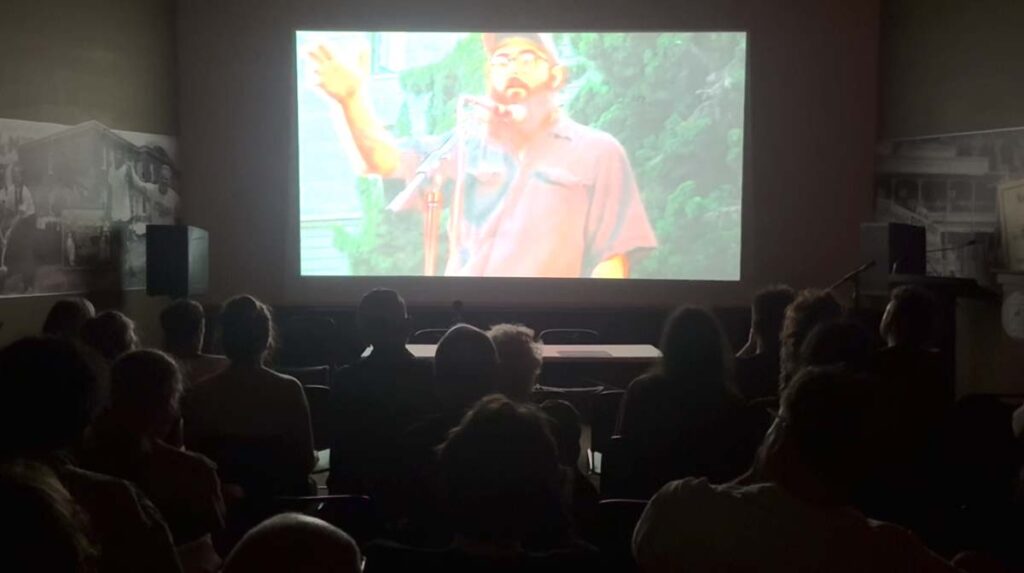
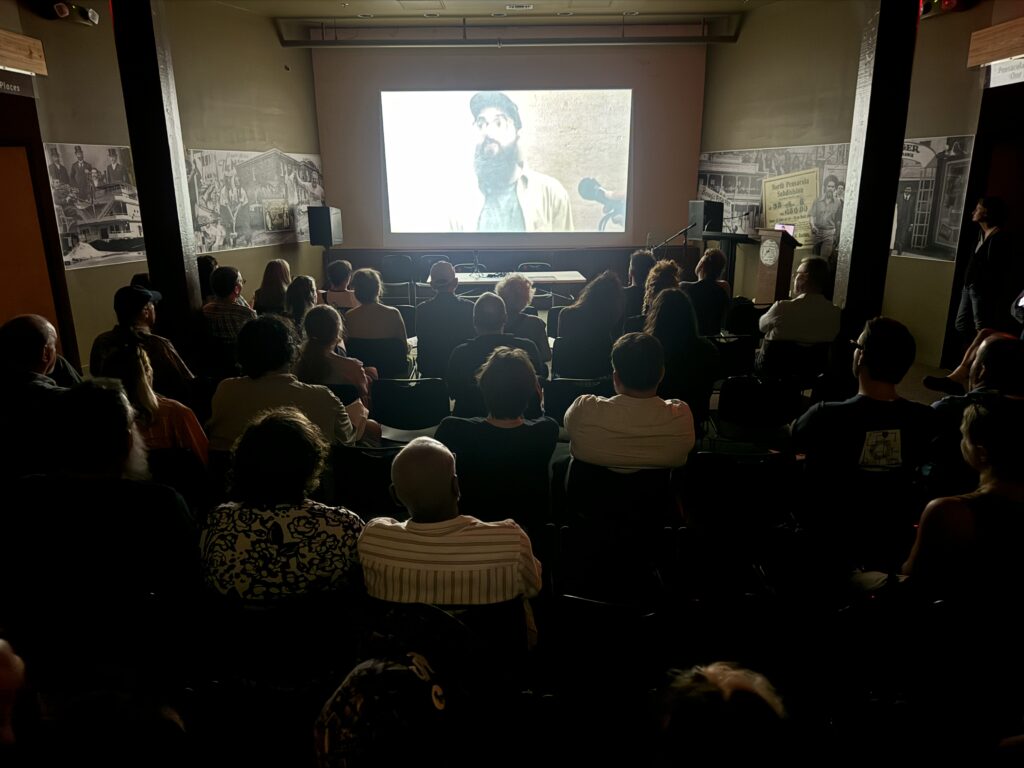
Pete Tridish, a young engineer, in Sean Linezo's archival film
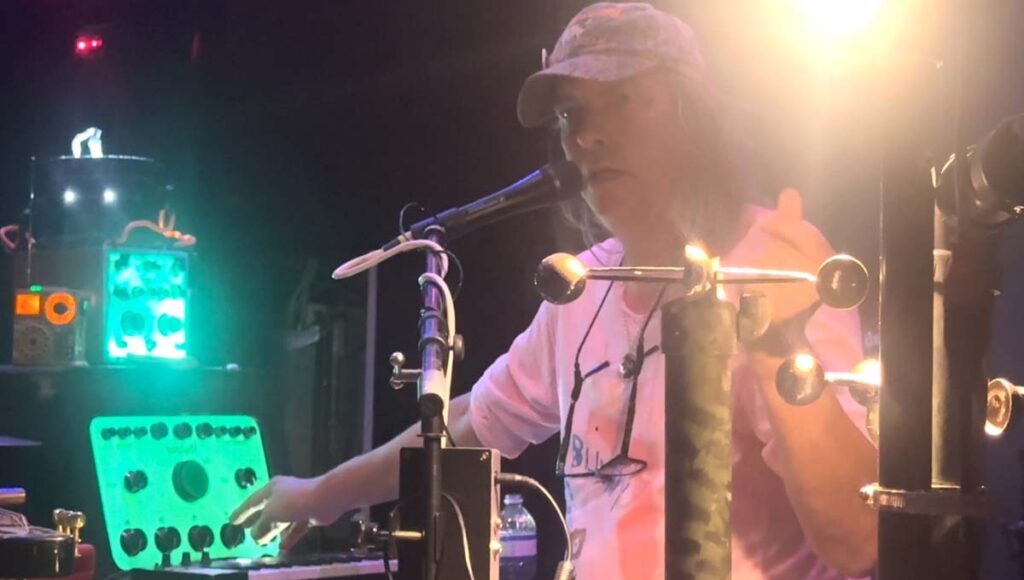
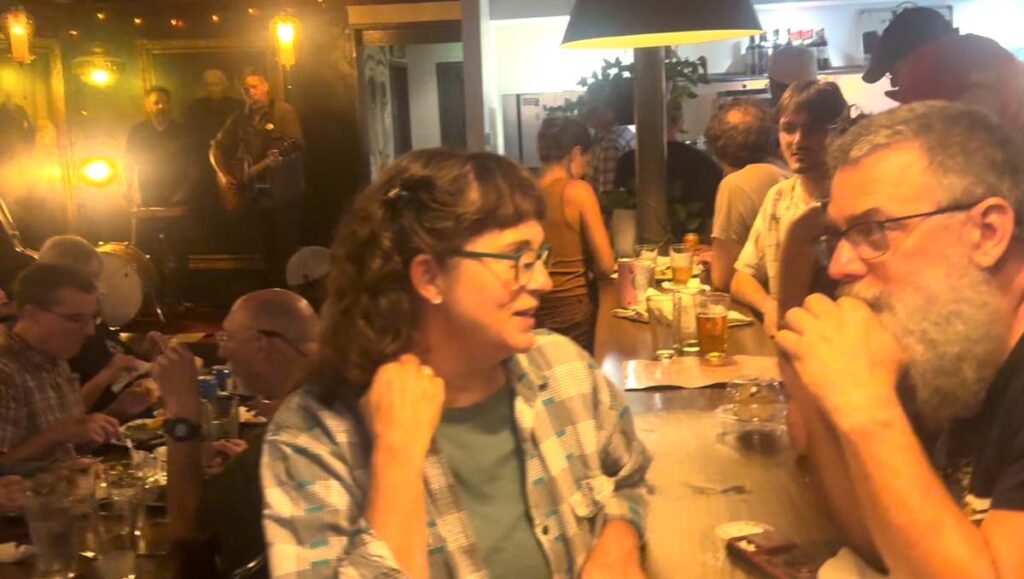
Pete Tridish at an the after hours GRC party 2026
Quintron and Miss Pussycat performing at the WPNX FM Launch Party
WFMU's Ken Freedman, Pacifica Network's Ursula Ruedenberg, Prometheus Radio Project's Paul Bame enjoying Pensacola after the conference.

Stephanie: What was fun about hosting the GRC?

Sean: It was all fun… outside of the pressure of making sure it all worked, it was all fun… good people, good music, good films, good weather, good community, good communication… good times… it was an honor and pleasure to host everyone.

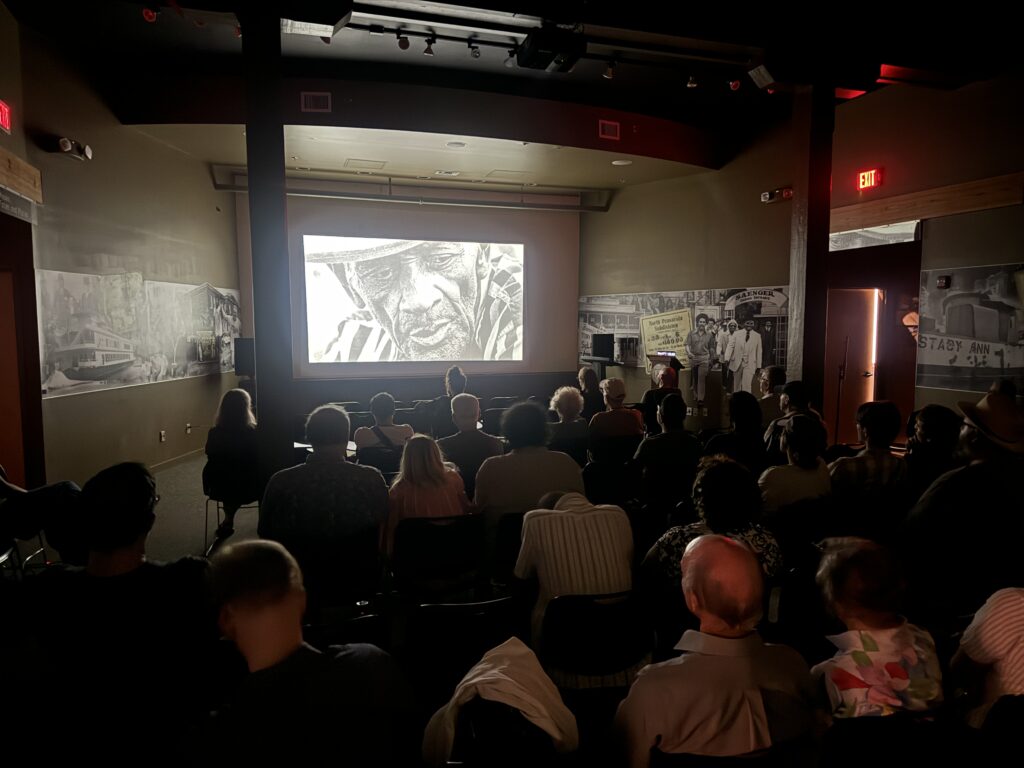
I guess personally for me… it was really fun to go back and digitize the video footage I shot in the year 2000 of learning about LPFM in the streets of San Francisco from Pete Tridish, Cornell West, Ralph Nader and Amy Goodman while protesting the NAB… and then revisit the 2002 barnraising in Opelousas Louisiana…  and then meet Govinda (2024) and Mrs Lena Charles (2002/2026) who all connected in Haiti and back to Opelousas, and edit all of that together with my first ever interview with a video camera in 2000 of stephen dunifer, etc… yeah editing all of that into a short video and inviting them all to be in the audience and talk about LPFM then and now… it was full-circle to build the tower and launch the station with pete tridish and then host a reunion of people that had not seen each other in over 20 years! They were all just memories with connections in my imagination… so it was really fun to invite them all together and share all of their energies with the Grassroots Radio Community!
 
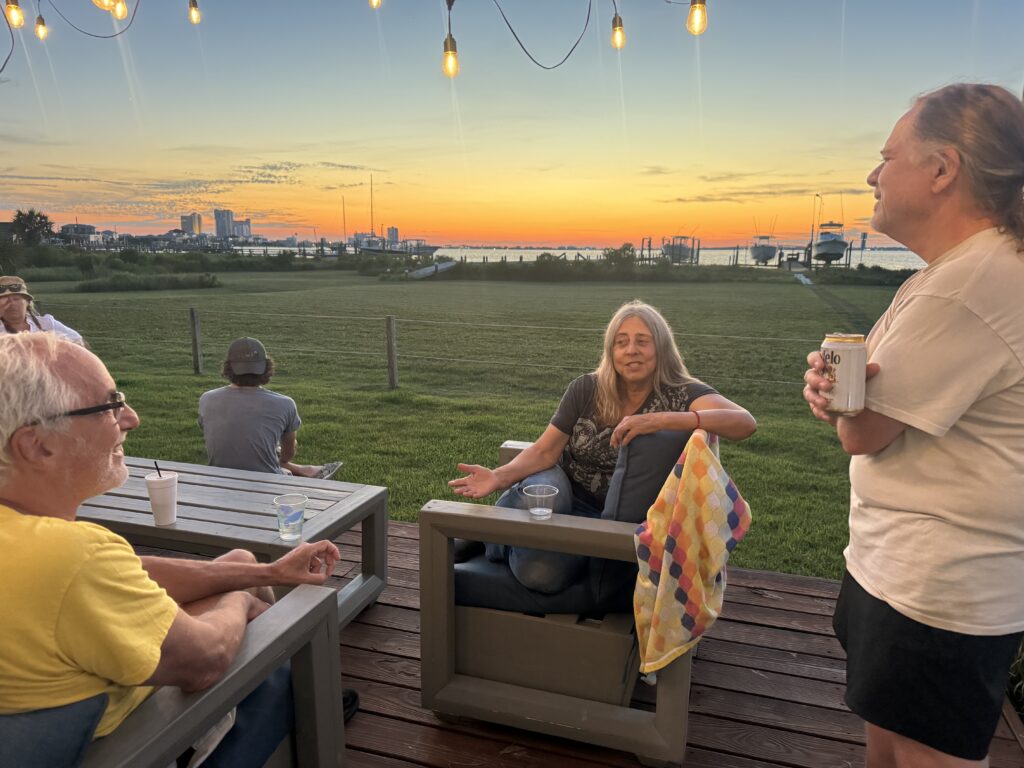
Also… the weather warlock, puppet show and Quintron and Miss Pussycat rockNroll dance party in the historic chitlin circuit juke joint, the Bunny Club… that was pretty fun… AND the next day, for the people that stayed… to all sit together and watch the sun set at the beach in perfect weather and then eat together and then huddle around the radio and hear Coy interrupt The #1 Record and go LIVE for the first time on our station, that was also fun… I dunno, I think every memory I have from the conference was fun. 

Stephanie: What was challenging about hosting the GRC?
Sean: Online group communication and expectations for newcomers to the group was definitely the most challenging… first impressions leave lasting impressions… face to face, I found so many friends at GRC 2024/2025… and confirmed a lot of these relationships at GRC 2026… but the online communications, were extremely challenging… I learned A LOT about working with community through my personal experience, but do not recommend it for future hosts, etc…
 
In 2024 i met Ursula at the GRC in New Orleans and by the 2nd day of the conference, she suggested that our station should apply to host… but to tell the truth at the time, I had the Construction Permit from the FCC and was a founding director of the non-profit, 309 Punk Project, with which I applied for the CP… but I had not even put the WPNX team together yet. It was also a big production with a large audience in New Orleans so it was intimidating to imagine hosting a conference.
 
In 2025, we were a 4-person team and had applied as a new non-profit, Free Radio Pensacola. Fred was unable to attend, but I invited Coy and Arielle to join me in Spokane for GRC 2025. We were all 3 invited to host by different people we met throughout the weekend to apply as hosts and because it was a smaller and more intimate conference, we began to discuss it as a possibility. We were told that each year is different and every host is welcome to do it their own way… the group welcomes diversity, etc.
 
SO… from my personal experience producing events around the world… I felt like we could do this in Pensacola and because no one in Pensacola knows how to run a radio station, this would be an opportunity to educate the community. Unfortunately, on the other projects in the other cities where I produced large cultural events or exhibitions, there was much more infrastructure and budgets, ahaha… we ended up getting none of the local grants I was hoping for, so we operated on a shoestring budget with a tiny team the whole time.
 
However, with a clear vision we tried to stay calm and just chop the wood and carry the water… envision the goals and the schedule and then step-by-step do what we needed to do to get there…
 
I think the hardest part other than making the final schedule of workshops and panels while trying to accept last minute proposals and changes… with the deadline getting closer and closer and more and more people asking for the schedule everyday… while people were still joining and cancelling and asking for certain days/times that worked better… that was stressful, and I think thats where it gets difficult… other peoples expectations. It wasnt achieving the goals that we had envisioned that was unexpectedly difficult, it was satisfying other peoples expectations and having that distract us psychologically and energetically.
 
This became very clear a few months before the conference, when I had to just stop listening to the noise of the community and focus on the tasks and goals and just believe in our own DIY ideas. I was very confused when i joined the larger GRC group calls/zooms… and I have no animosity at all about this now, but i do think its important to note. When i joined the group calls and was asked about our plans and schedule, I was surprised to be in front of the whole group and told that things should actually be on a different schedule and I need to do things differently ASAP. I tried to adapt over the weekend and published a draft of a schedule first thing on that Monday morning… and less than 10 minutes after sending a message with the requested document to the group, I got a humiliating critique from one of the leaders of the group in front of EVERYONE. I kept quiet and didn’t want to respond in front of the group emotionally but for days I was confused, stressed and it made me depressed. 
 
I was then invited again to the call the next month, explaining I should give an update on the GRC plans and progress. When I did that, I was under the impression that each host city does it themselves in their own way… but it became clear that according to the group there were many things I was not doing the way its normally done and I was behind schedule. It turned out I also learned that many people that were moderating and speaking on the call would not be attending this year, so that also confused me… a lot. There was also actually resistance to attending the conference in Florida. I was so confused by the end of that call, that I wanted to quit and not even host the conference. 
 
Instead, I ended up just not attending the monthly calls anymore… but then anytime I would send updates to the list-serv group it was similarly an immediate criticism that would shatter my enthusiasm and spirit… so i stopped participating in the mails and just focused on chopping the wood and carrying the water and doing what needed to happen to launch the station, host the conference and educate the community. As I stopped participating, i noticed that the noise continued to escalate even without me… so I took it much less personal and just did what I needed to do. 
 
In the end, I think the list-serv and zoom calls are now being moderated to keep things productive and less personal and opinionated… maybe? I dunno, i havent returned… but I guess to answer the question… what would i suggest or recommend to future host, would be try to develop a plan/vision and a goal, then make a schedule and just go through it step-by-step with confidence that you know where you are going… there are plenty of people in the community that will stick by you and help you get there but you have to find that positive energy that resonates with you, work with that energy and have fun with it… and make it regionally relevant… to your community and your station.
 
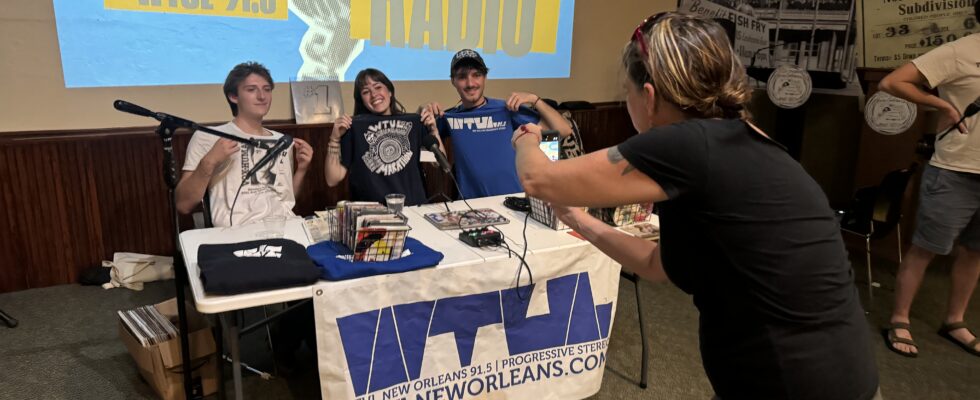
Conference goers from WTUL radio in New Orleans, Louisiana.
Stephanie: What is something you learned this year from the conference?

Sean: Define your mission. Have a vision. Take things step by step. When challenged, try not to react emotionally… keep your goal in sight and continue moving forward in that direction.
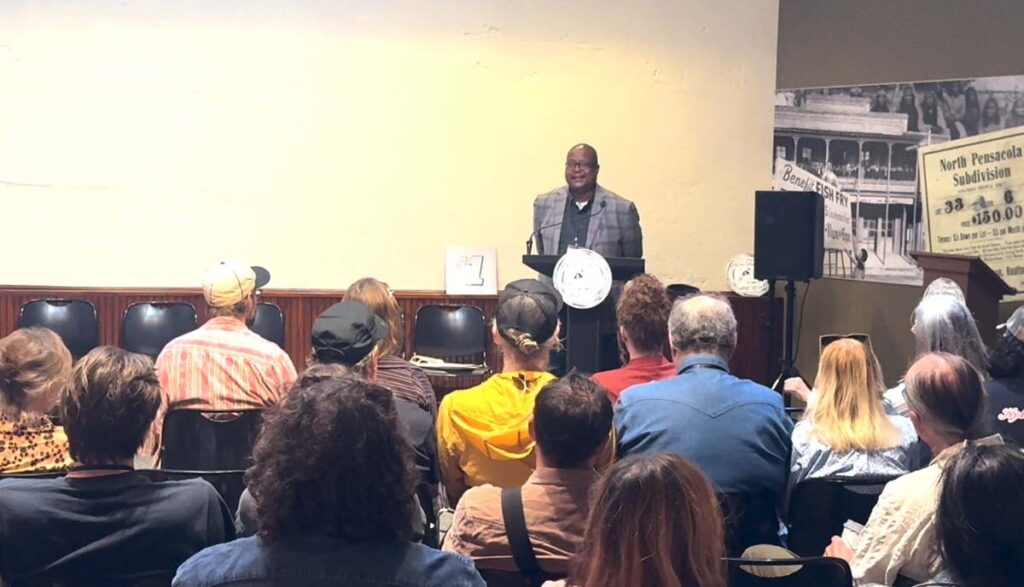
 
Keynote speaker Nashid Madyun on Grassroots Radio as a Cultural Corridor: New Orleans to Miami
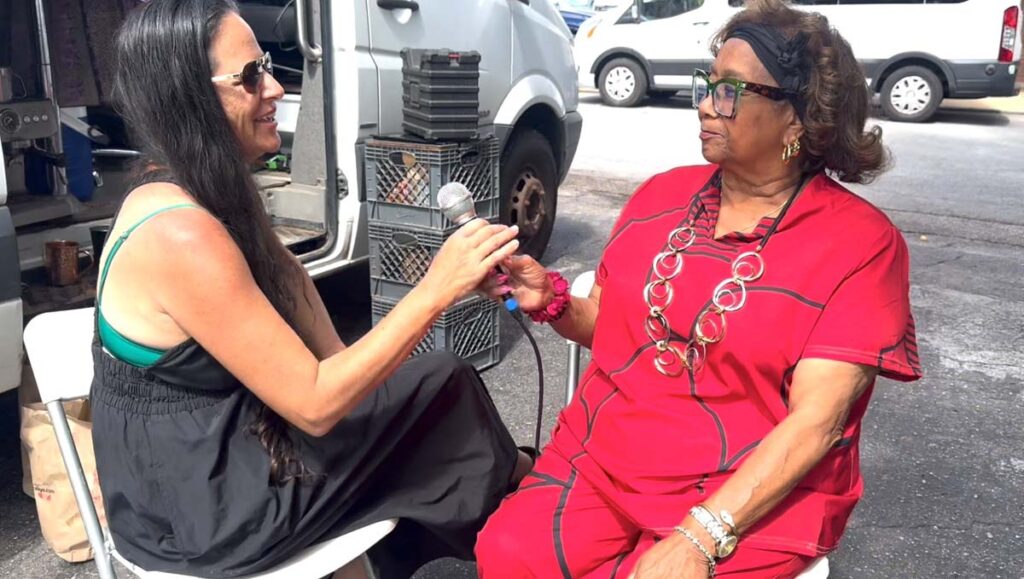
Interview with Mrs. Lena Charles, longtime director of the Original Southwest Louisiana Zydeco Music Festiva
Pete Tridish in Sean Linezo's archival community radio film
Viewing of Hot Pepper, a Les Blank film on Zydeco.

Stephanie: You had wonderful cultural presentations as part of the conference. Can you share a bit about them for those who couldn’t attend, and can you share how that idea came about? Can you talk about the idea of the cultural corridor?

 
Sean: Well, its a pretty simple idea… instead of once a year at the conference, I thought I would like to activate the grassroots radio community to work together with a shared goal, at least regionally… so the idea is a network of community radio stations that can share programming and local relationships to support and promote independent artist/films/musicians as they travel between New Orleans and Miami, These cultural relationships can also become a lifeline in times of climate emergencies, etc… and as I mentioned earlier, the value of this relationship has already proven itself in the immediate response of Bvlbancha Liberation Radio offering solar power to the people in pesnacola immediately after the hurricane a couple weeks ago.
 
The executive director of Florida Humanities, Dr Nashid Madyun, was also very receptive to this idea and delivered a great keynote talk at our conference… because he grew up in the south and his parents published an African-American newspaper and their friends produced community radio, he had personal stories and experience with community radio… we are still in touch and he has developed a 5-year plan with the Florida Humanities department that we will begin testing and funding soon. This relationship was not expected when I intitally invited him and proposed the topic, but I think it supports the next question you are asking…
Stephanie: Any advice for future hosts of the GRC?
 
Sean: Of course, future hosts should take advice from the community and focus on the essential sessions of the GRC about how to run and manage a community radio station, but I would suggest also focus on something local/regional… invite the community to engage and participate in the conference to build on the momentum and energy that the conference brings to your town… its a very special community, its an honor to have hosted and be a part of such a kind, well-intentioned and positive energy… I would recommend to use the gathering to inspire, resonate and sustain that energy in your local community.
 
Also… its repetitive, but stay focused on your mission. Have a vision. Take things step by step. When challenged, try not to react emotionally… keep your goal in sight and continue moving forward in that direction.
Anthony Potts / WUWF Public Media